

Vincenzo Castella. Timeless Archaeology
04.06.2026 – 03.10.2026
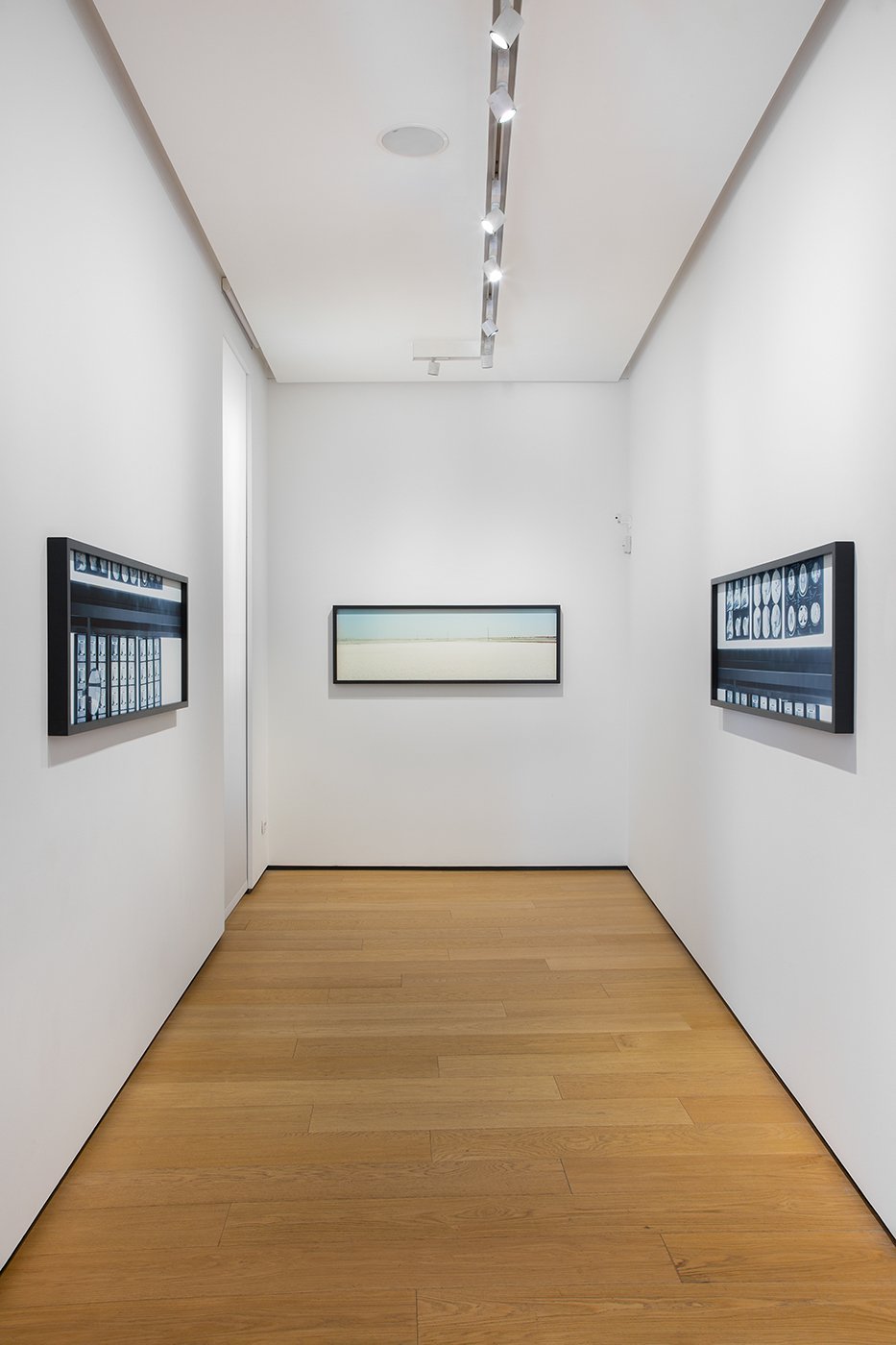
From June 5th to October 3rd, 2026, seven years after the artist’s last exhibition at the gallery, BUILDING GALLERY presents Vincenzo Castella. Timeless Archaeology, an extensive solo exhibition curated by Marco Scotini.
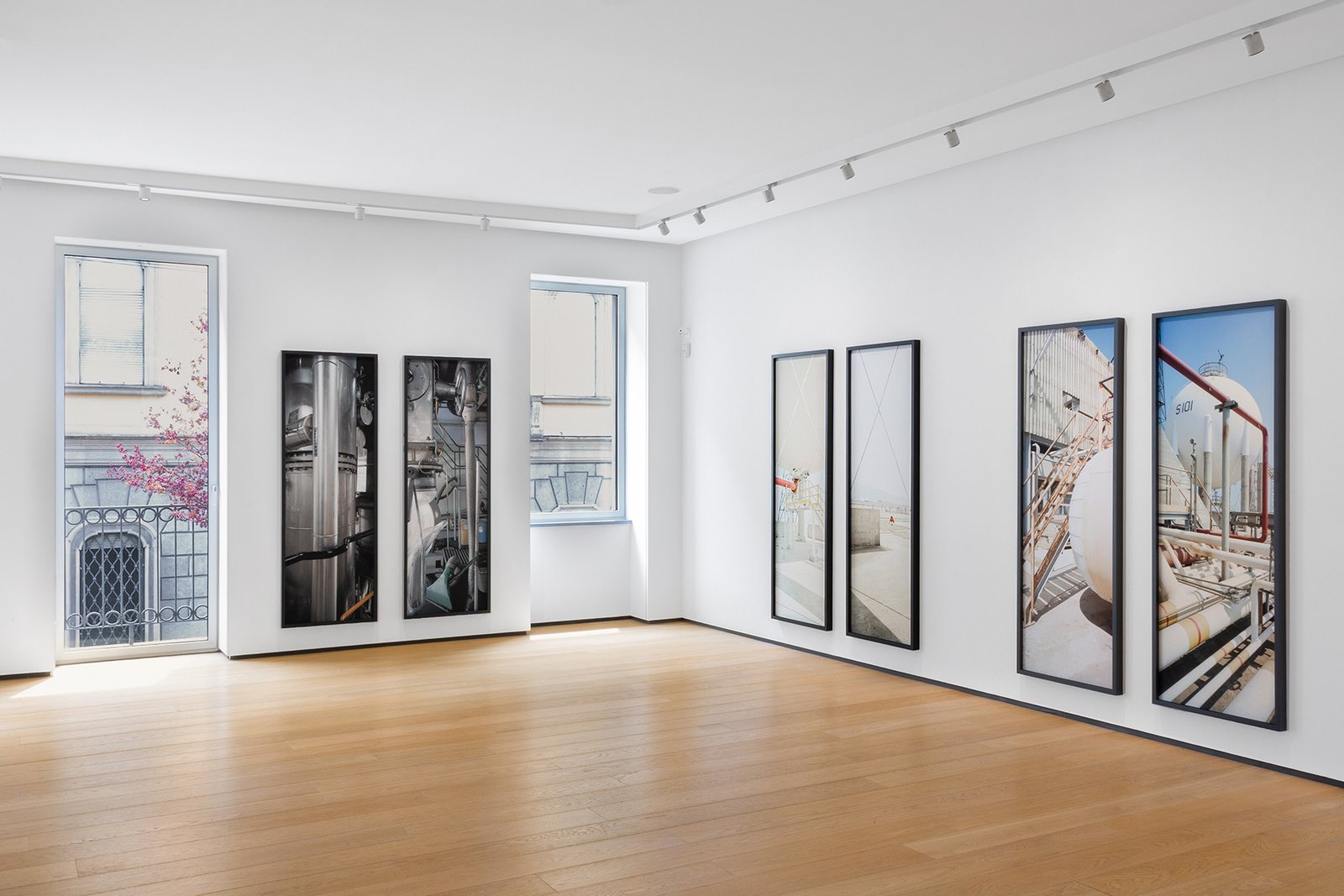
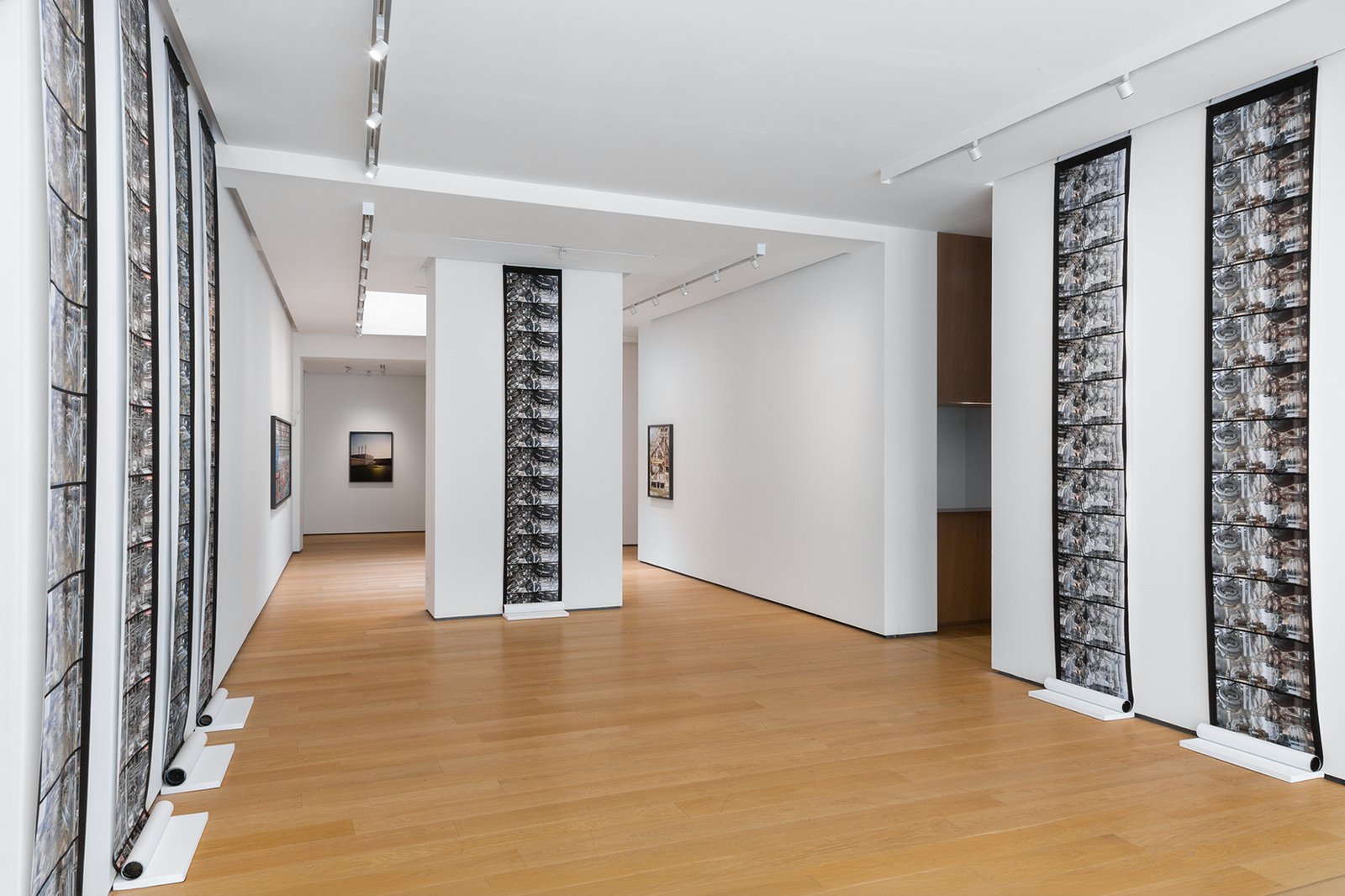
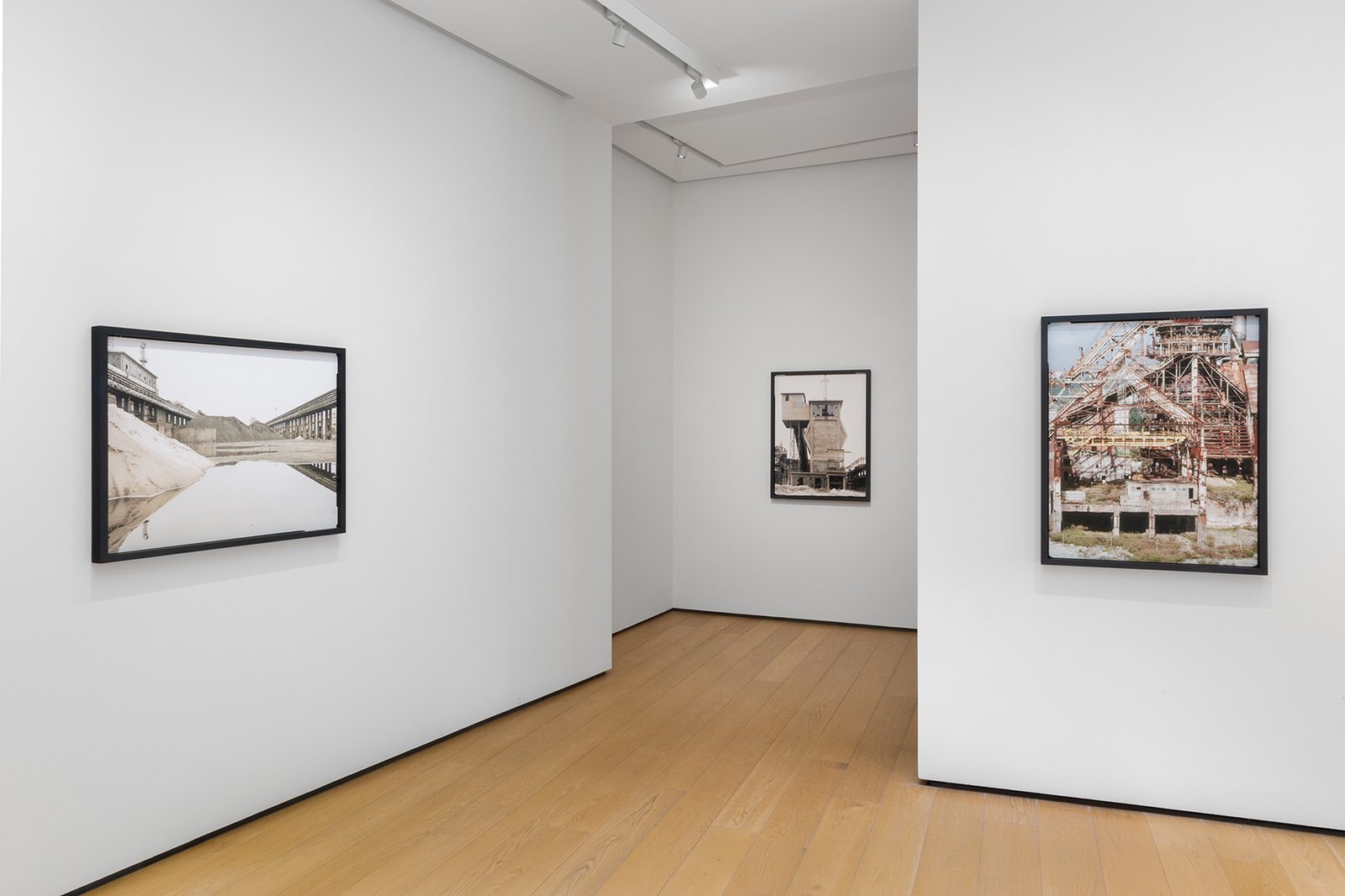
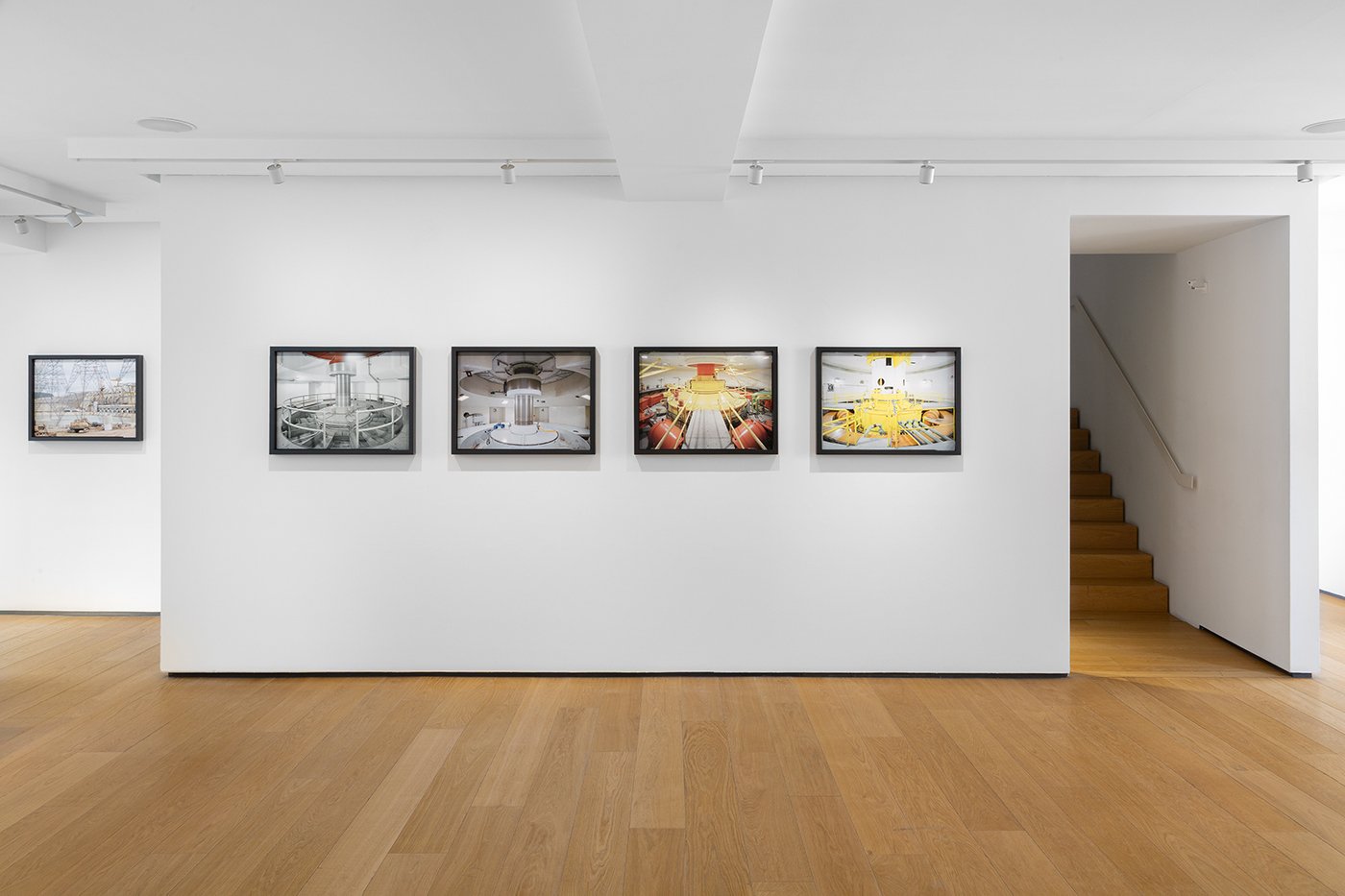
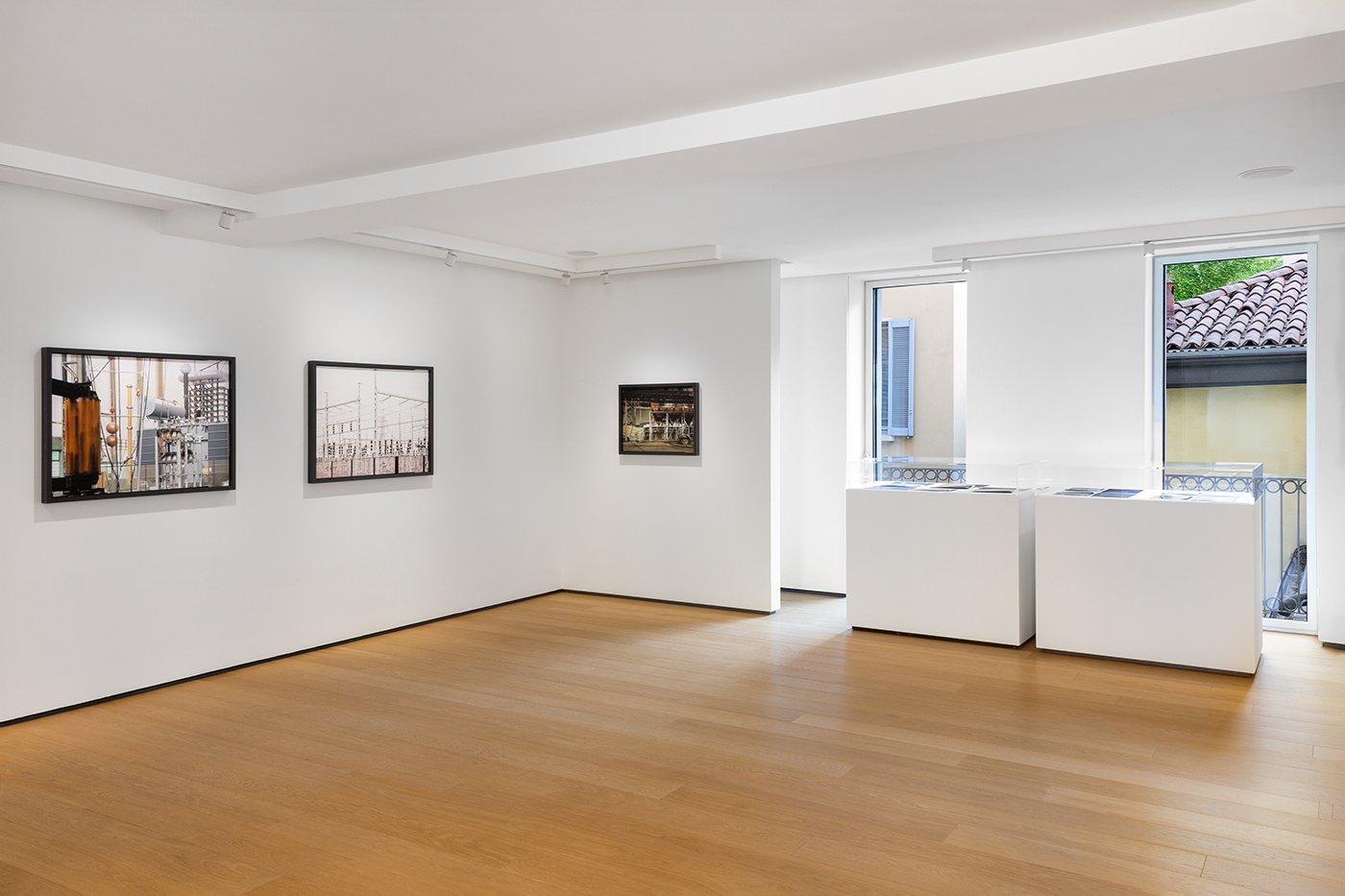
The exhibition, which unfolds across the three exhibition floors of BUILDING GALLERY, brings together for the first time a cohesive body of around sixty large and medium format photographic works, offering a comprehensive and layered reading of the artist’s research on the industrial landscape from the 1980s to the present. Through a selection of previously unseen works spanning four decades of activity, the exhibition conveys the continuity and distinctiveness of Castella’s research, exploring the processes of transformation in the landscape and visual memory.
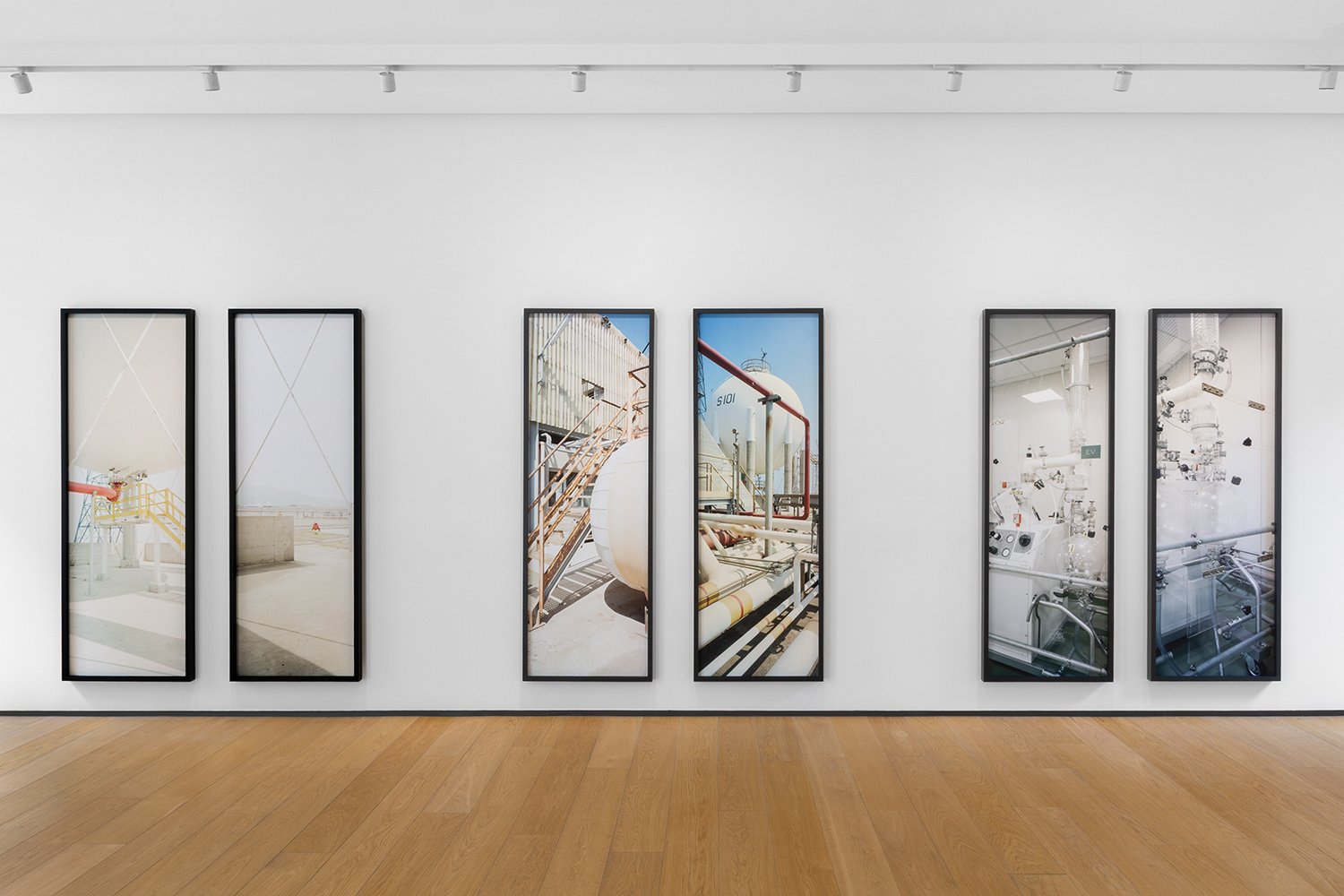
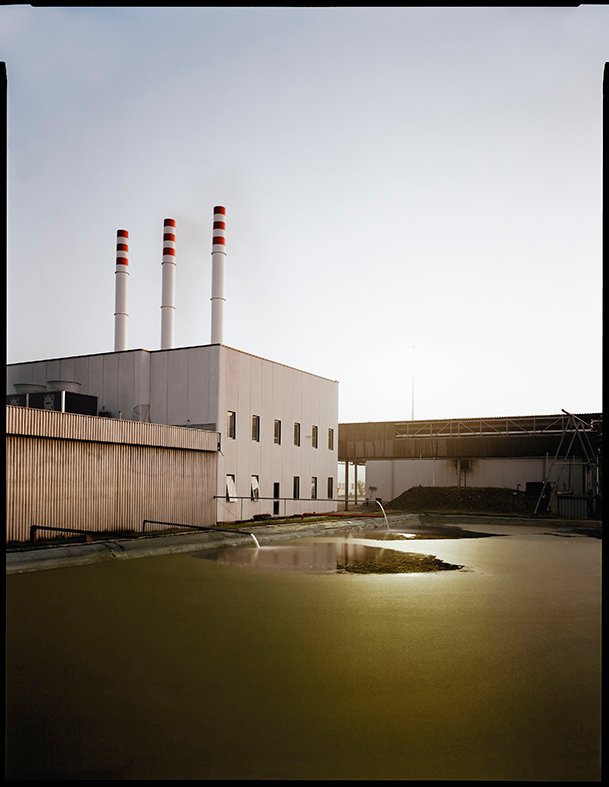
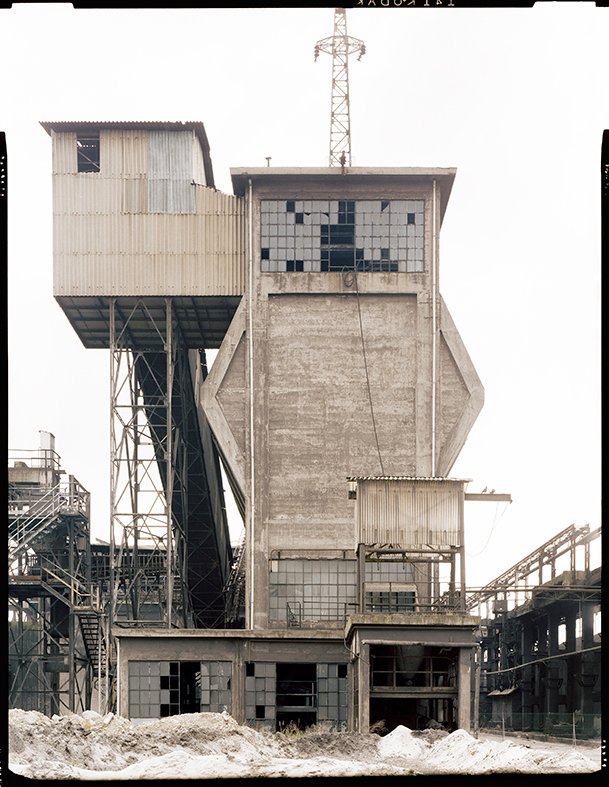
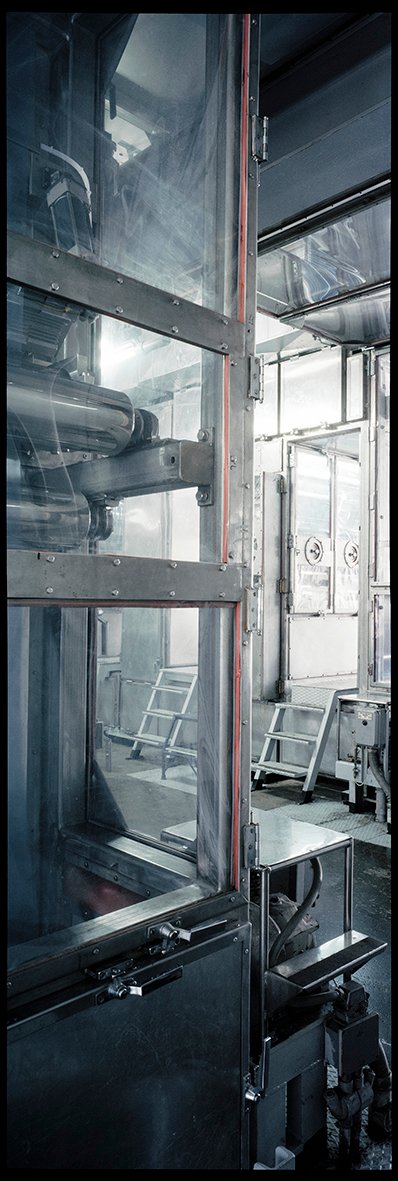
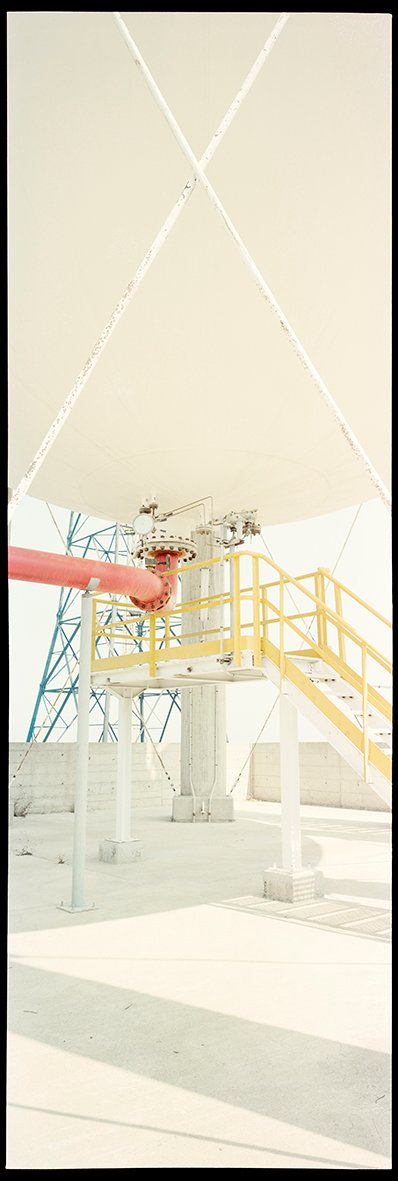
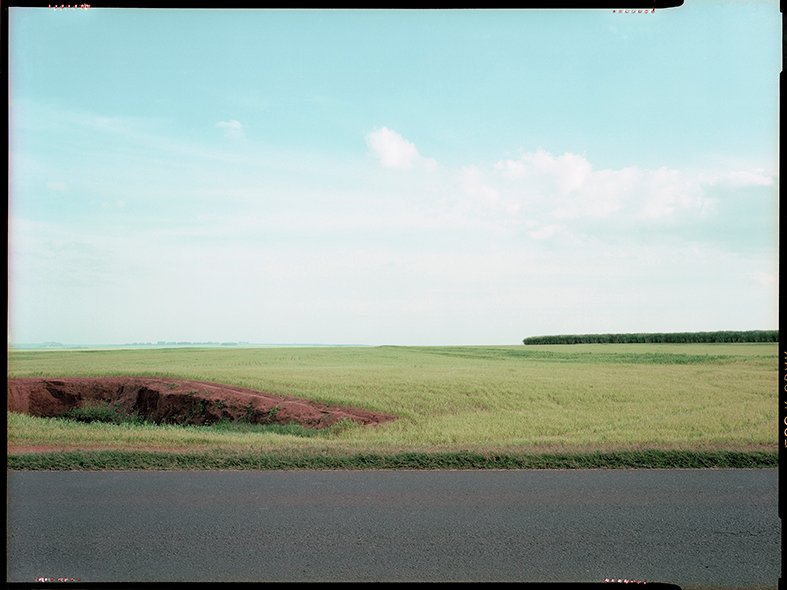
Vincenzo Castella (Naples, 1952), a central figure in contemporary Italian photography, established himself on the international scene in the 1980s, emerging in the context of the landmark 1984 exhibition Viaggio in Italia. Within this framework, his work takes the form of a multifaceted exploration of the landscape, developed through a progressive expansion of his fields of interest. Images of urban landscapes—including the well-known “coralline” portraits of cities, begun in 1998—alternate with views of industrial scenes, as in the series of vertical photographs taken in Italy and exhibited on the first floor of BUILDING GALLERY. These are chapters of that “underground journey” into prohibited areas, first identified by Paolo Costantini in 1991, leading up to a more recent focus on the natural landscape, particularly the botanical landscape.
At the heart of this investigation lies a radically de-subjectivized, non-metaphorical gaze, devoid of any mediation other than that offered, in each instance, by the optical properties of the lens used: an optical device that becomes an instrument of measurement and openness, capable of capturing the complexity of reality on film without imposing interpretive readings. Castella is among the first in Italy to introduce a conscious use of color in industrial photography, he engages with a rich modernist tradition of pictorial origin ranging from the precisionism of the American Charles Sheeler to the frontal and structuralist compositions of the Bechers, and figures such as Paul Strand, Werner Mantz, and Albert Renger-Patzsch. Castella, however, finds himself photographing these gigantic steel-making machines at the exact moment of their decline, during the transition phase between the Fordist, mechanized economy and the post-Fordist model of flexibilization and digitization. As early as 1991, Irene Bignardi asked: “science fiction or archaeology?” in her introduction to Castella’s first publication on the industrial landscape. A landscape that Castella interprets as an opaque, worn-out, and posthumous territory, analogous to the zone in Tarkovsky’s Stalker.
Vincenzo Castella. Timeless Archaeology invites viewers to interpret this extraordinary body of photographic work through the lens of its own temporality. All these examples of oversized machinery characterized by fluorescent light, displayed at BUILDING GALLERY from the ground floor to the second floor in various formats, offer a truly archaeological approach that highlights the specific nature of memory that informs this body of work, as well as the rest of his oeuvre.
But what kind of temporality is this? Luigi Ghirri argued that rather than an image of memory, Castella’s photography was an archaeological artifact. “I think of archaeology,” he stated, “as a method of deduction to discover things. Archaeology as a science that aims to describe, reveal, and bring what has happened back into the light of the present.” It is not, therefore, a dimension tied to the past—precisely because these industrial landscapes belong fully to the present—but rather a condition that manifests itself, by its very nature, as already calcified, crystallized, fossilized. A distinctive feature of Castella’s photography, repeatedly emphasized in critical literature.
It is precisely this aspect of “calcification” that gives these images a suspended, “timeless” quality, even though all the industrial plants depicted—from ILVA in Taranto to Italsider in Naples, and the large Ansaldo and Breda factories—are tied to a specific history and chronological context. Castella himself, in his first book (Zone, 1991), invited the viewer on a stationary journey through zones: “I believe that photography is truly the art of entering the same room multiple times and establishing several distinct focal points within a dimension that, on paper, appears motionless.” The paratactic value of his images, together with an almost Flemish attention to every detail within a single frame, clearly convey this non-directional conception of time. A significant example in the exhibition is the series of ten vertical works shot in Baden (Germany), displayed on the ground floor of BUILDING GALLERY. In these works, the artist breaks down a single second of footage into twenty-four frames, including #01 Buehl, Baden and #019 Buehl, Baden, both dated 2015/2026. This series, the only digital work in the exhibition, once again traces the unfolding of a single second of time back to the stillness of a “timeless” image.
Artisti

News