Giovanni Campus
Giovanni Campus was born in Olbia in 1929. After completing his classical studies, he continued his training at the Libera Accademia di Belle Arti in Livorno.
Following his paintings from the 1950s, in which he rapidly moved beyond a formal framework of figurative art, during the 1960s he developed a shift away from painting through his focus on geometric and constructive languages, which engaged with the cultural and visual models of the industrial world. His interest in the intersection between advanced production models, the aesthetics of perception, and technical possibilities led him to adopt methacrylate as a material that allowed him to resolve pictorial tension in a different way, moving towards an environmental approach.
In 1968, Giovanni Campus moved to Milan, a city which—although he left it for short periods—soon became his adopted home and the place where he made his mark as an artist.
Following his first solo exhibitions and participation in several group shows – including & Multiple Art at the Whitechapel Art Gallery in London (1970), the Italian pavilion at the Second Triennial of India in New Delhi, curated by Palma Bucarelli (1971), and the exhibition Luce e materia (1975), organised by the Centro Industria in Milan – and through awards that showcased contemporary artistic exploration, he attracted the attention of critics such as Giulio Carlo Argan, Umbro Apollonio and Lara Vinca Masini, as well as colleagues like Bruno Munari. Campus also spent time in New York and Paris, which helped him to engage with the international art scene.
In the second half of the 1970s, he gradually replaced plastic materials in his work to return to the tradition of painting and sculpture, creating structural forms that engage with their surroundings and generate relational motifs through interventions based on the continuity of a unified development.
In this sense, he also carried out projects in urban spaces, such as the interventions in Piazzetta Palazzo Reale in Milan in 1977, or in natural environments, such as the ‘measurements’ carried out in the early 1980s with the series of interventions titled Percorso Determinazione, created in locations in his native Gallura in 1983, or in specific exhibition spaces.
Meanwhile, a new generation of critics is taking an interest in his work, starting with his long-standing collaboration with Luciano Caramel, who has supported his projects on numerous occasions. Since the 1980s, alongside solo exhibitions in public and private venues and participation in selected group shows focusing on key aspects of his work, his oeuvre has been the subject of several monographic exhibitions in public spaces – Palazzo dei Diamanti in Ferrara (1987), Galleria Comunale d’Arte in Cagliari (1991), MAN in Nuoro (2000), Civica Galleria d’Arte Moderna in Gallarate (2003), Museo Civico G. Fattori in Livorno (2007). He also creates site-specific sculptures, which are installed, sometimes permanently, in open spaces, such as those placed in Tortolì in 2000, in Carbonia in 2008, and within the Parco della Scultura at the Idroscalo in Milan in 2012.
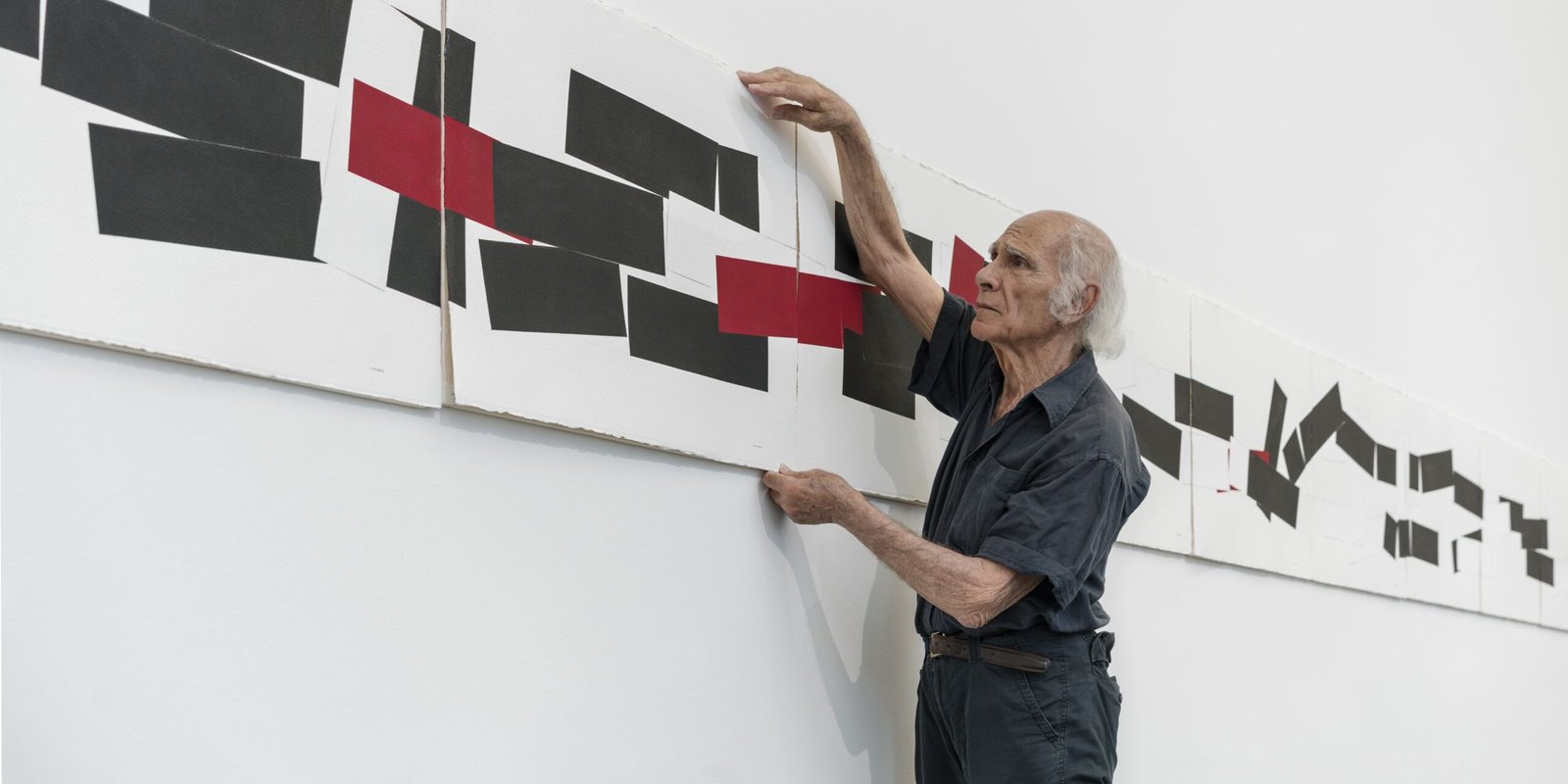
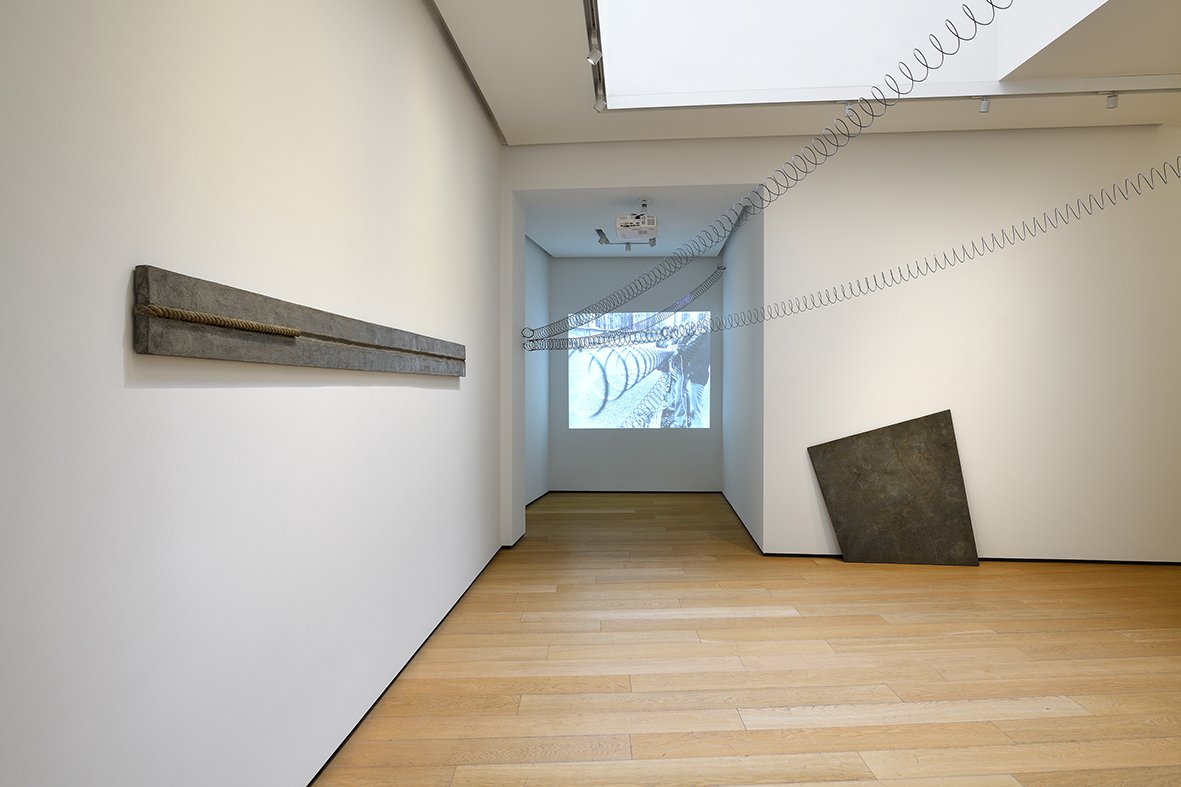
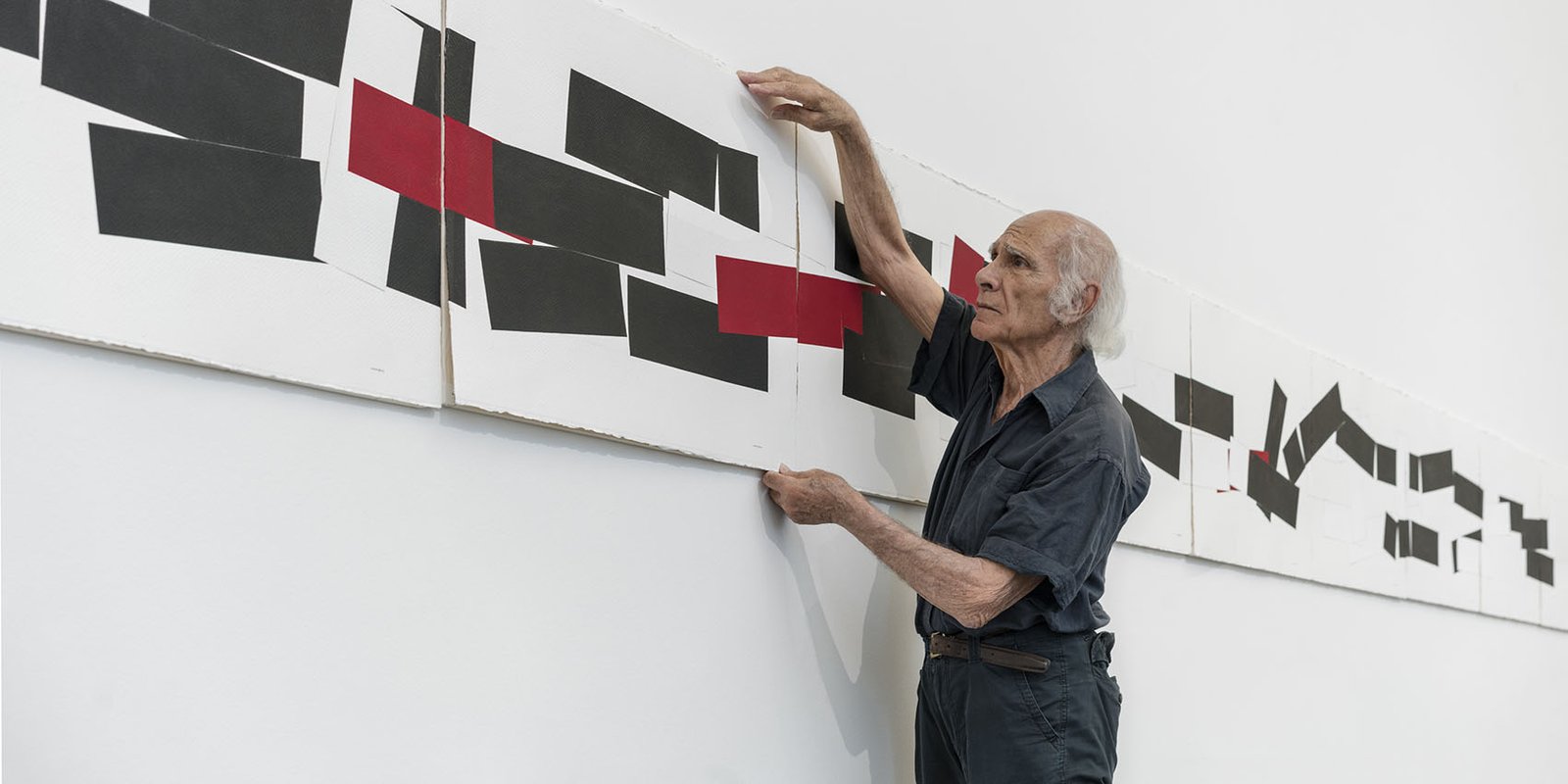
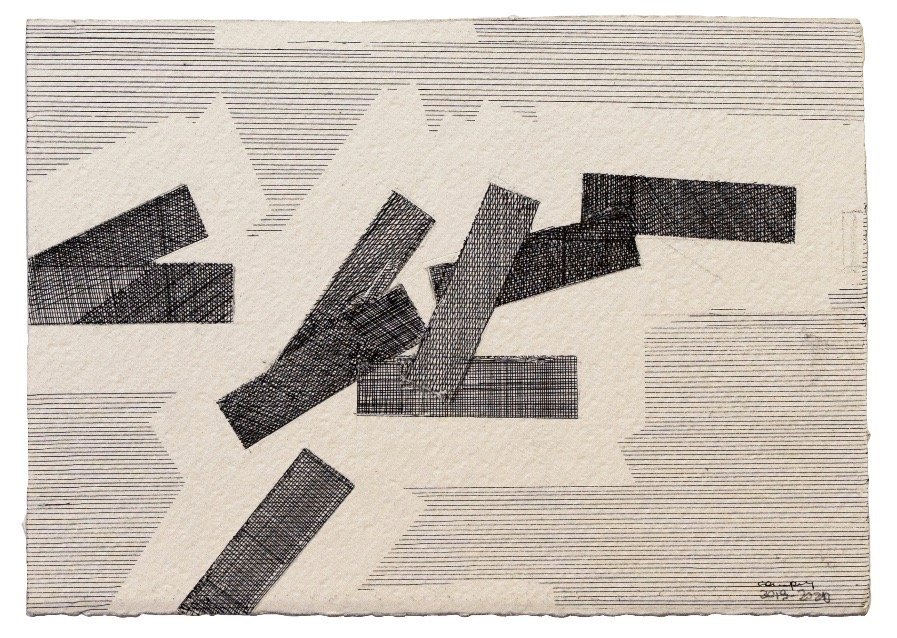
Over the past few decades, the development of his work—employing a variety of techniques that remain faithful to his earlier output—has achieved a degree of balance and reflection evident in pieces that combine monochromatic surfaces with the insertion of iron elements, in dialogue with wooden structures and works on paper executed with great technical and design precision.
Giovanni Campus passed away in Milan on 28 November 2025.
Mostre

News

Press