Shlomo Harush
Shlomo Harush (1961, Jerusalem) lives and works in New York city.
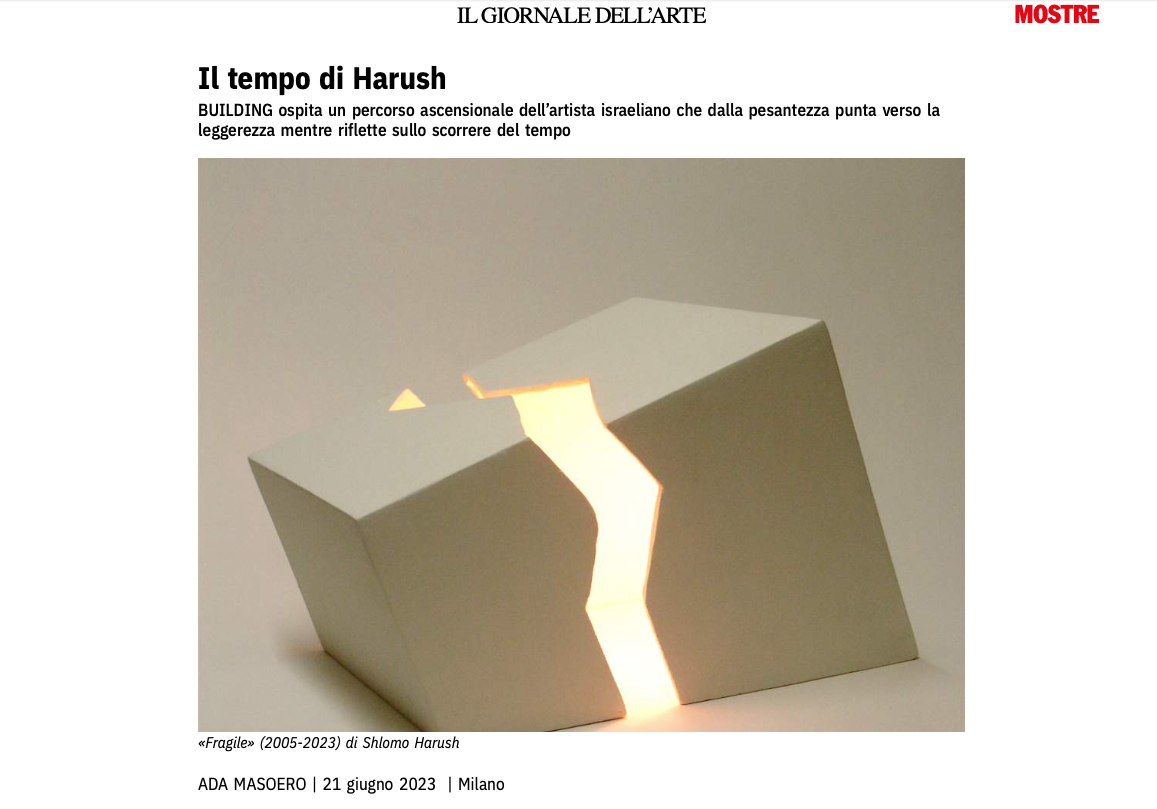
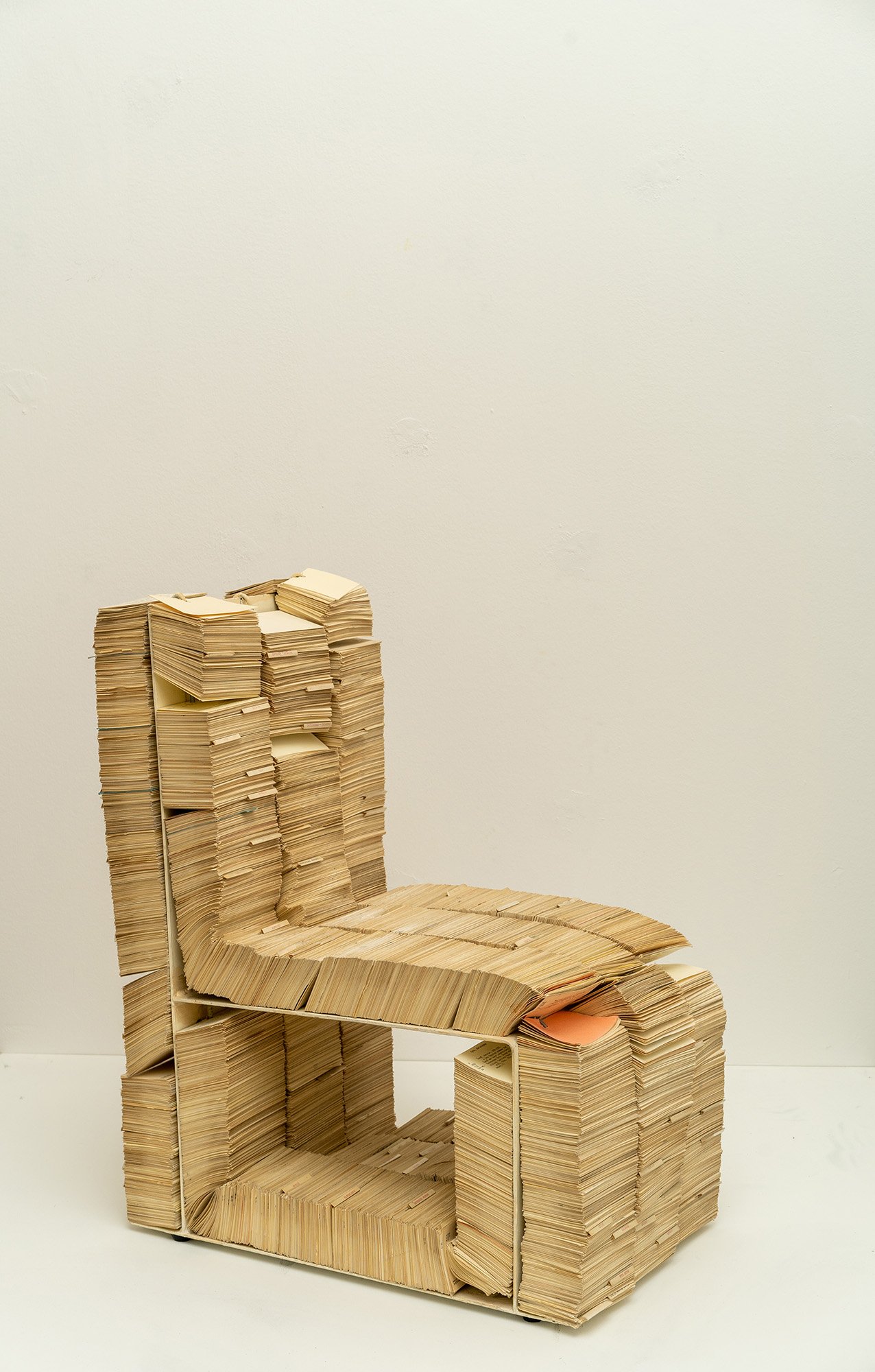
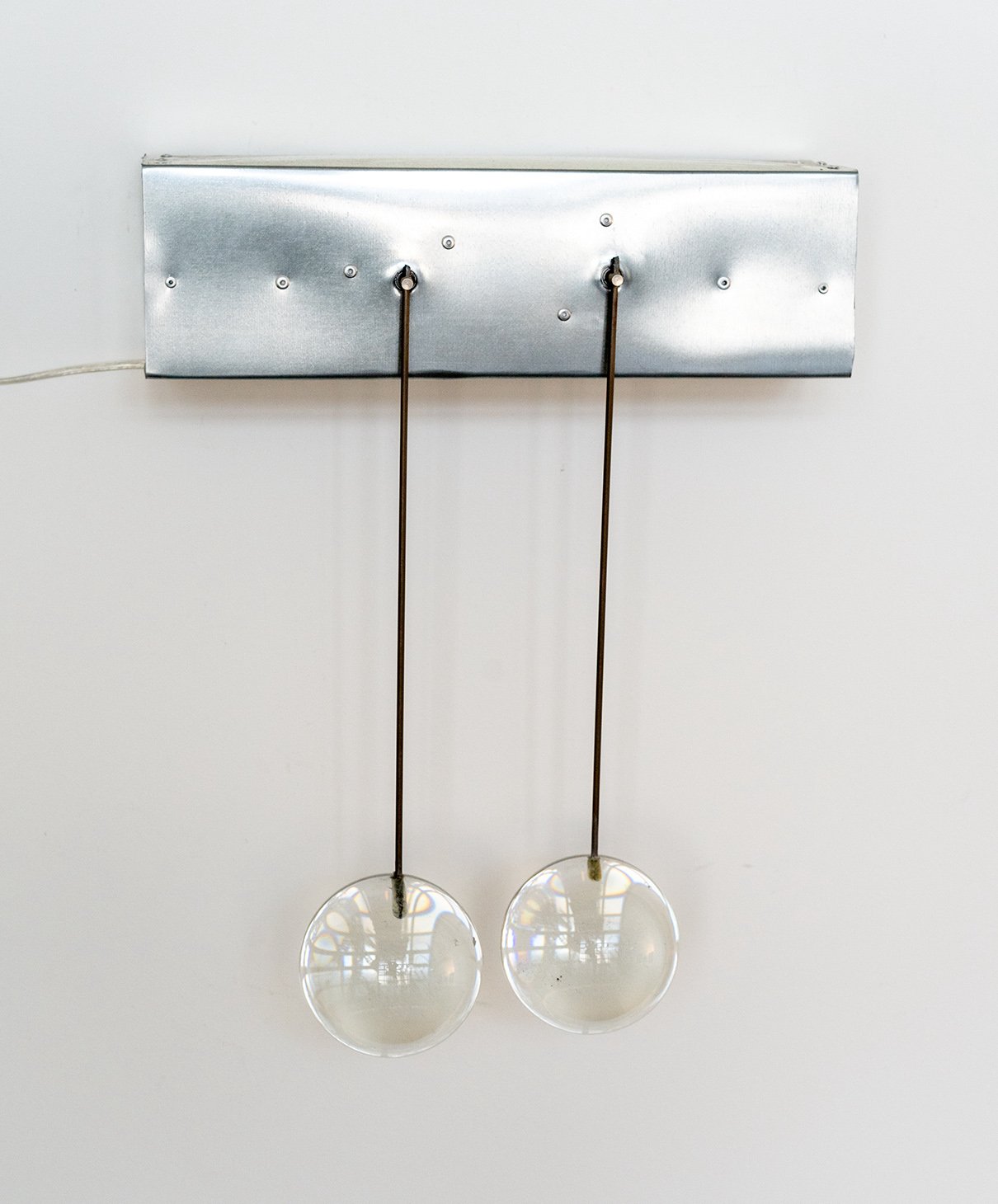
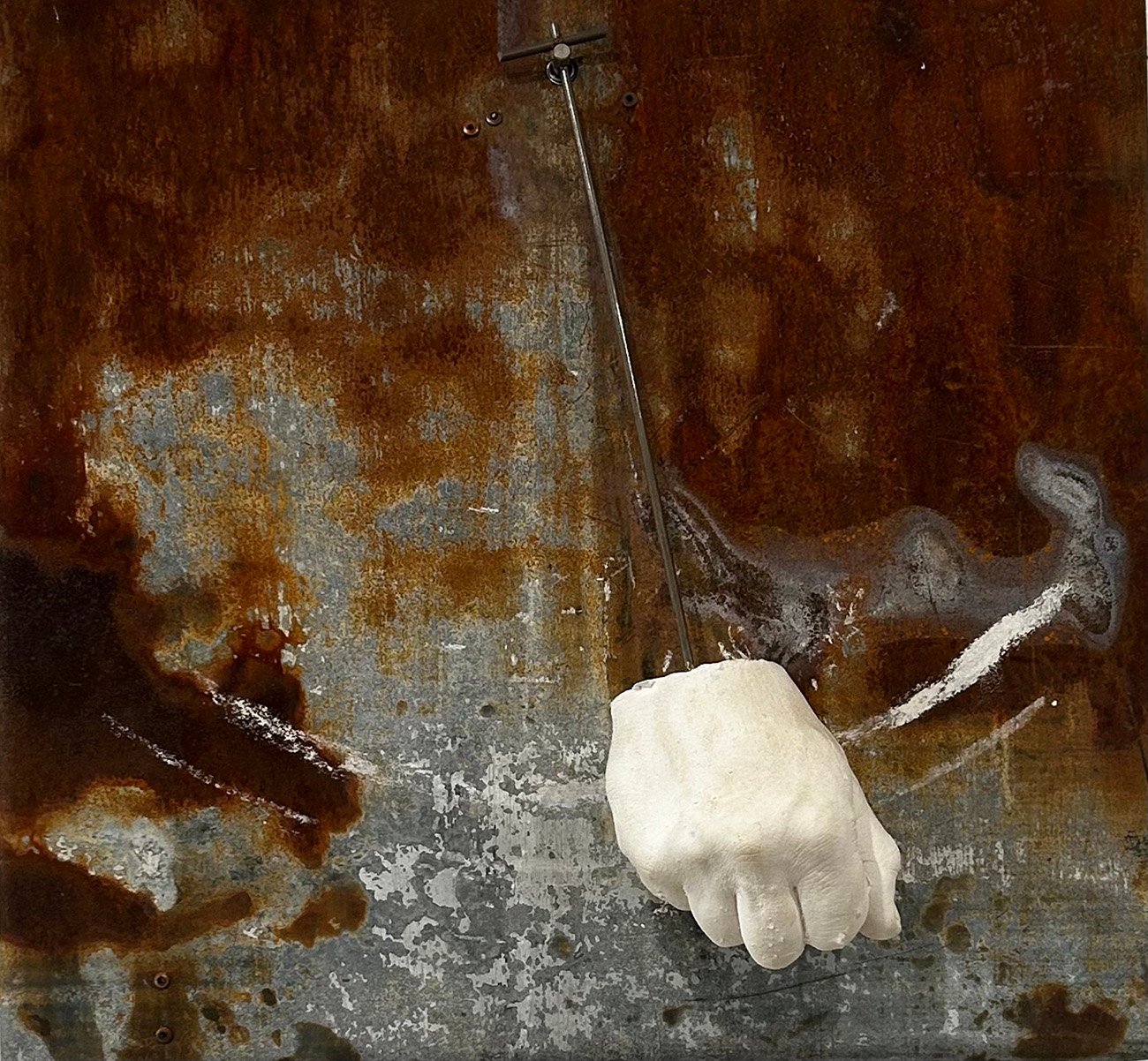
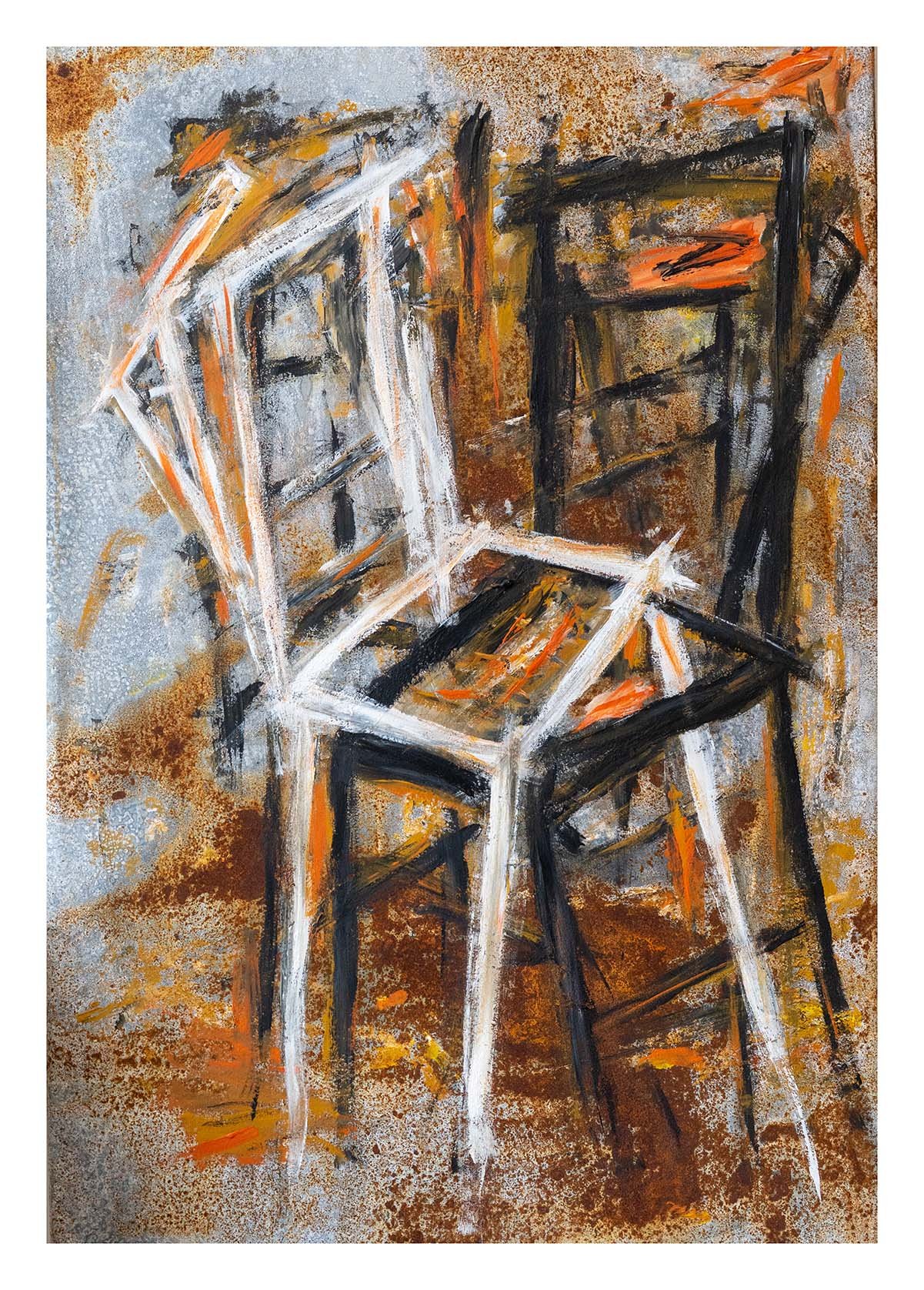
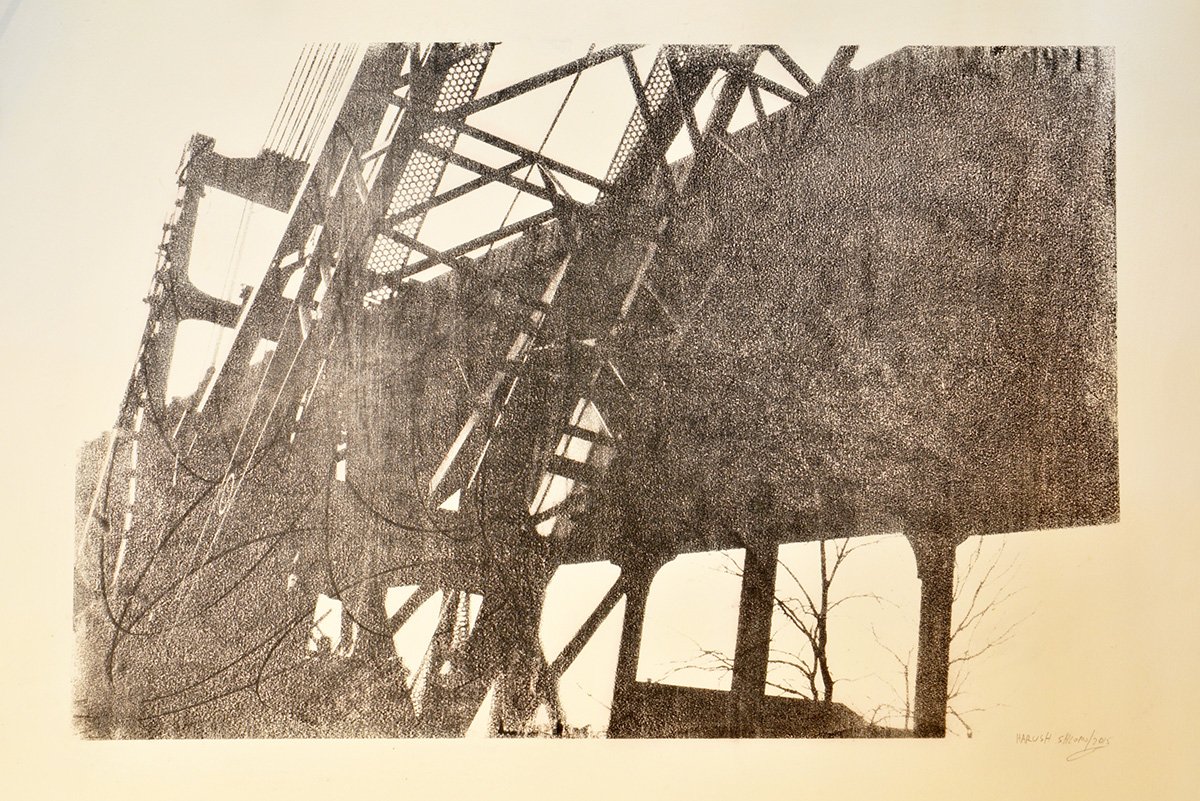
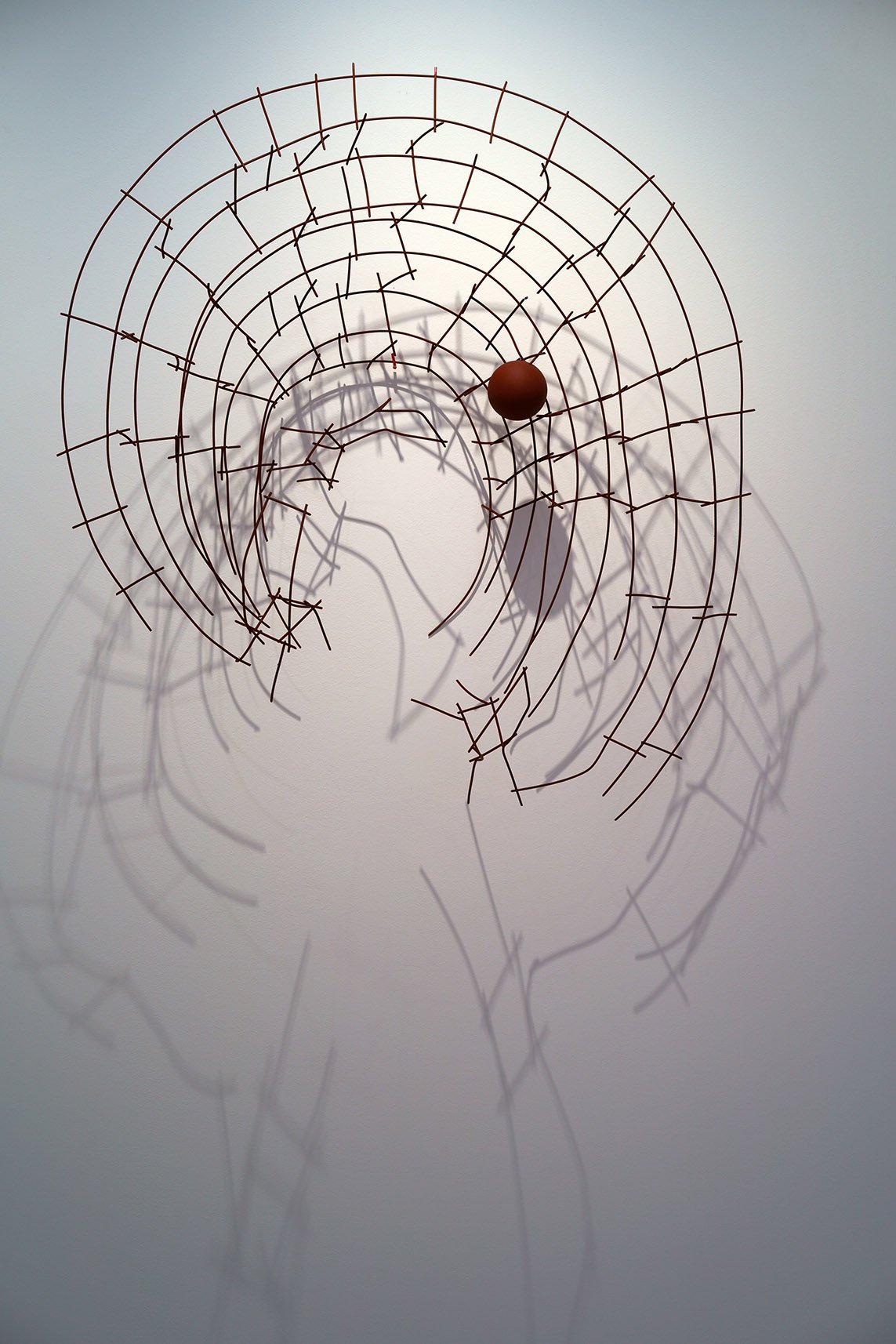
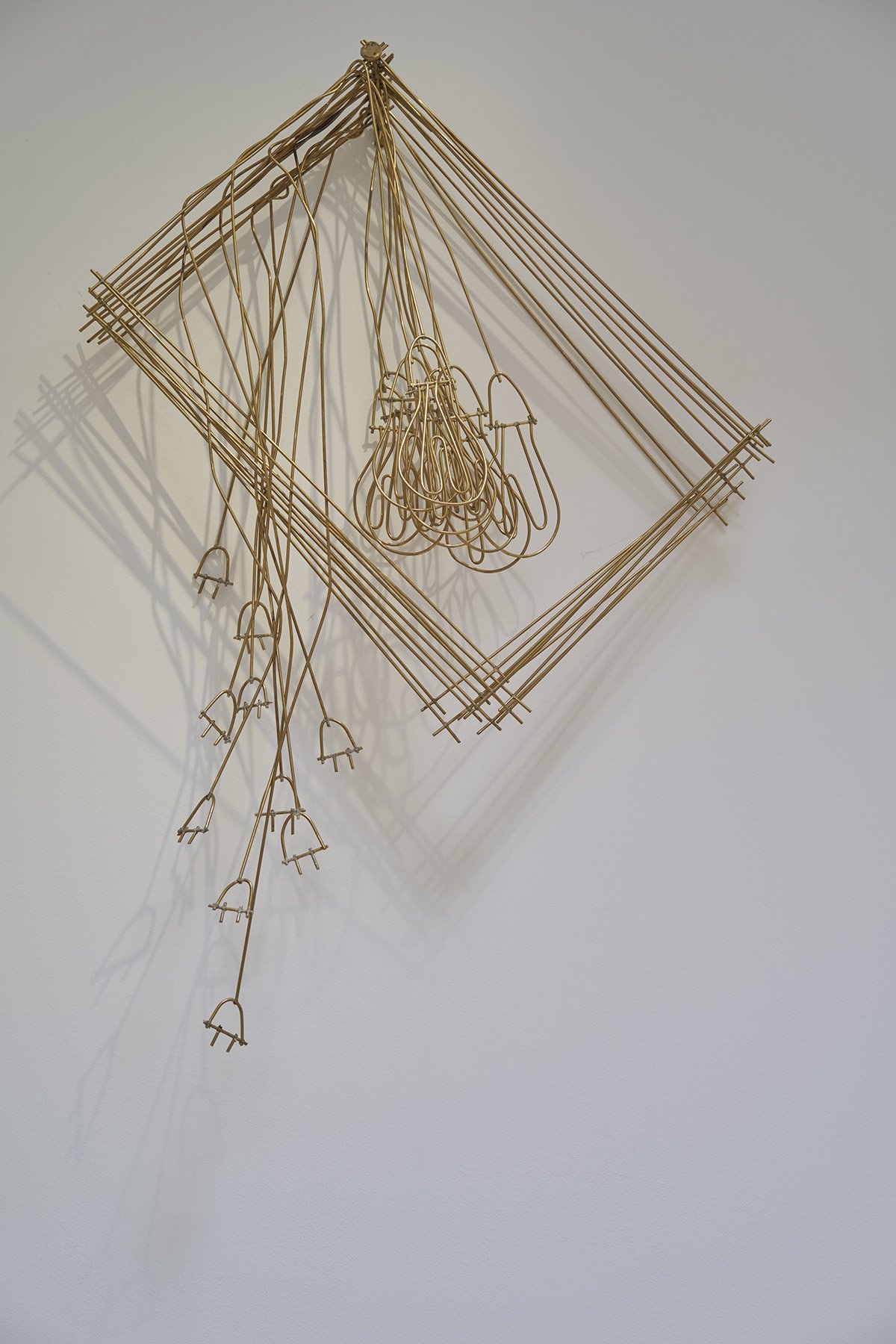
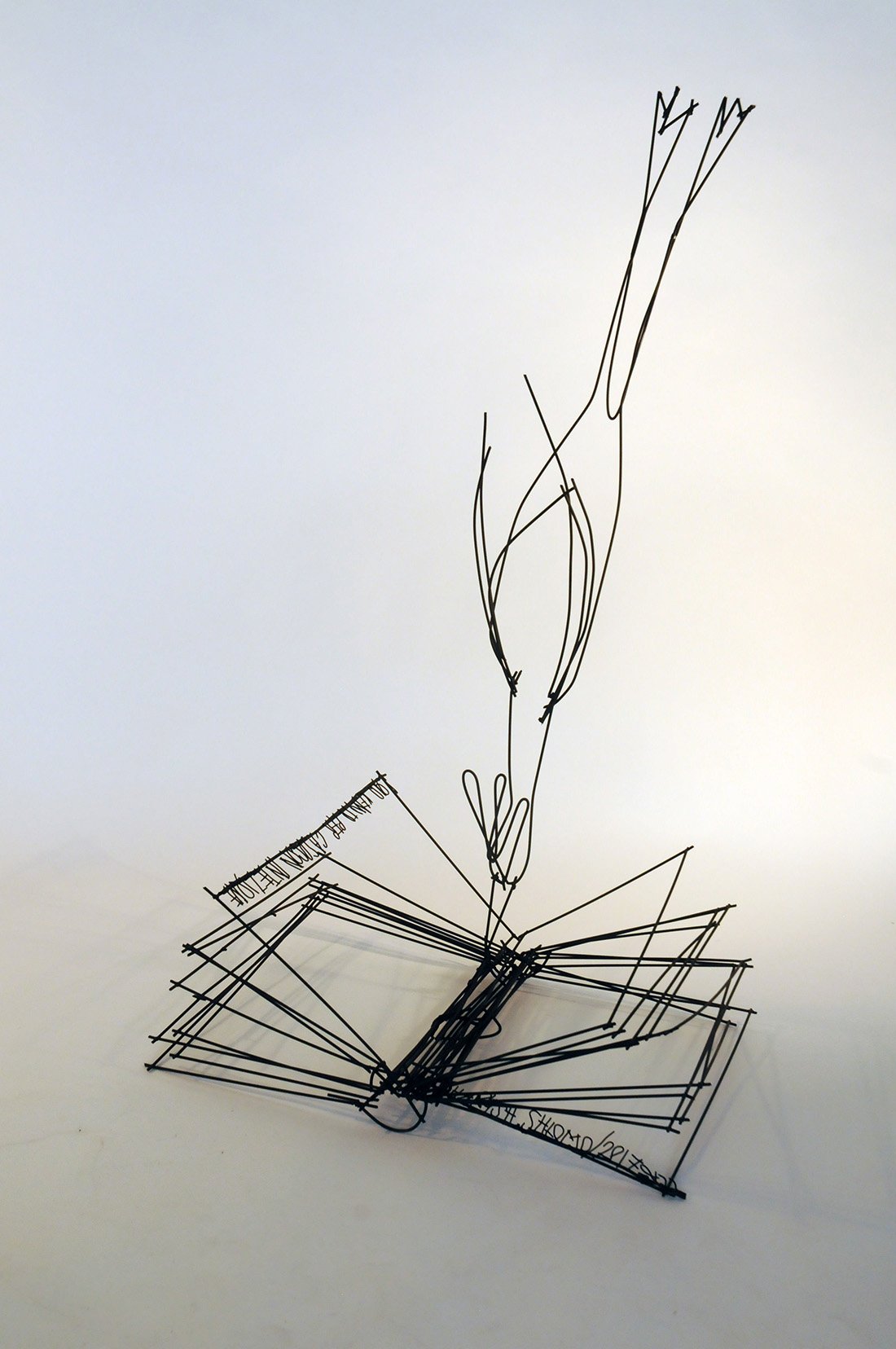
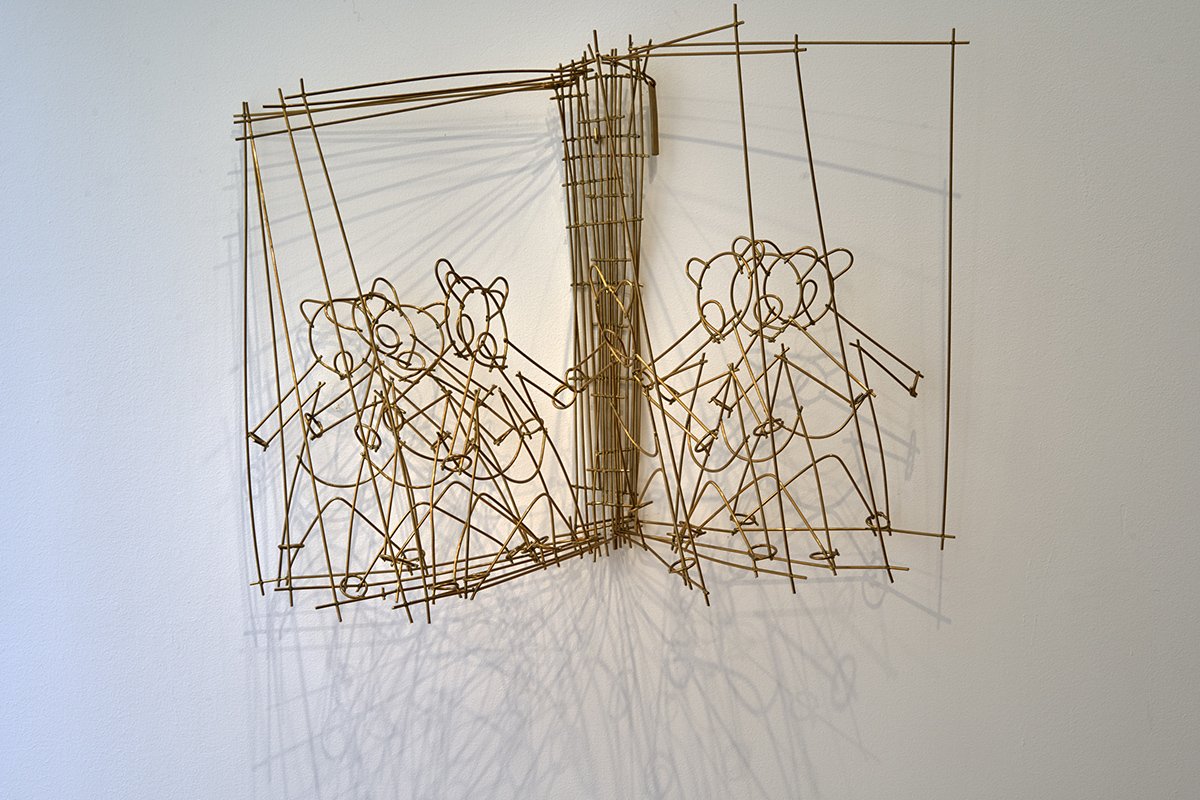
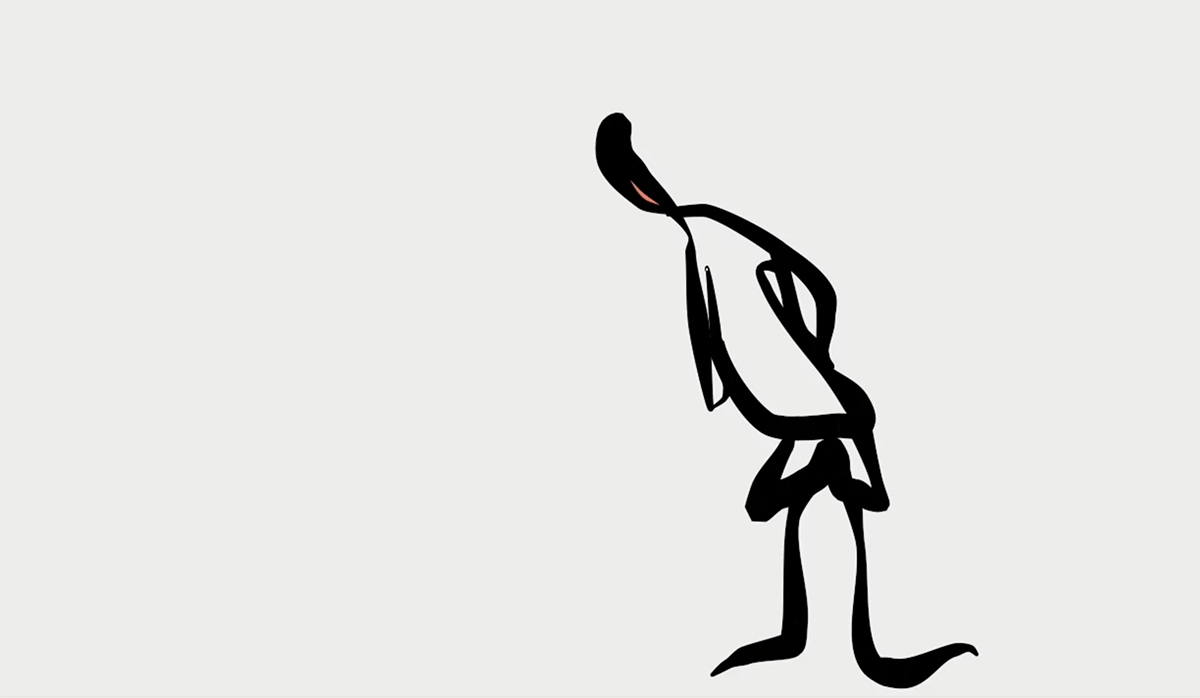
Harush has been experimenting with various media to create transformative and multidisciplinary art that portrays the human condition in its state of perpetual metamorphosis. His installations, sculptures, drawings, and multidisciplinary works are an expression of freedom. They embody his perception of the world, combined with the powerful force he physically exerts to shape and transform the work. Concepts manifest from material, and vice versa, through immediacy and the raw release of energy. The material is never dominated; instead, it becomes the protagonist, with the artist’s ideas and expressions harmoniously integrated into its form, transitioning from drawing to three-dimensional life. Light and shadow, when merged with his works, create metamorphic moments, as drawings transform into sculptures and sculptures revert to drawings. Dimensions flow seamlessly from one to another, immaterial yet perceivable. This indefiniteness allows his works to indulge in movement, with the simple flow of air playing with light. The ongoing relationship between art and function is evident in the manipulation, gravity, intertwining, and nailing of metal, expressing tension, life, and experience to evoke a sense of contemporary existence and artistic communication.
Harush blends everyday subjects and objects into his work, manipulating them to turn away from the archetypal toward new and unexpected emblems.
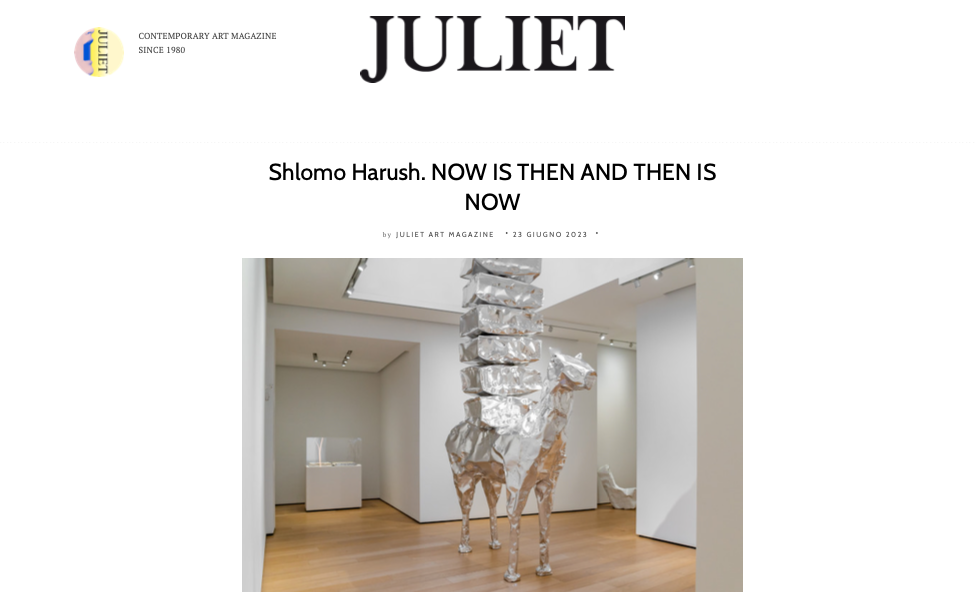
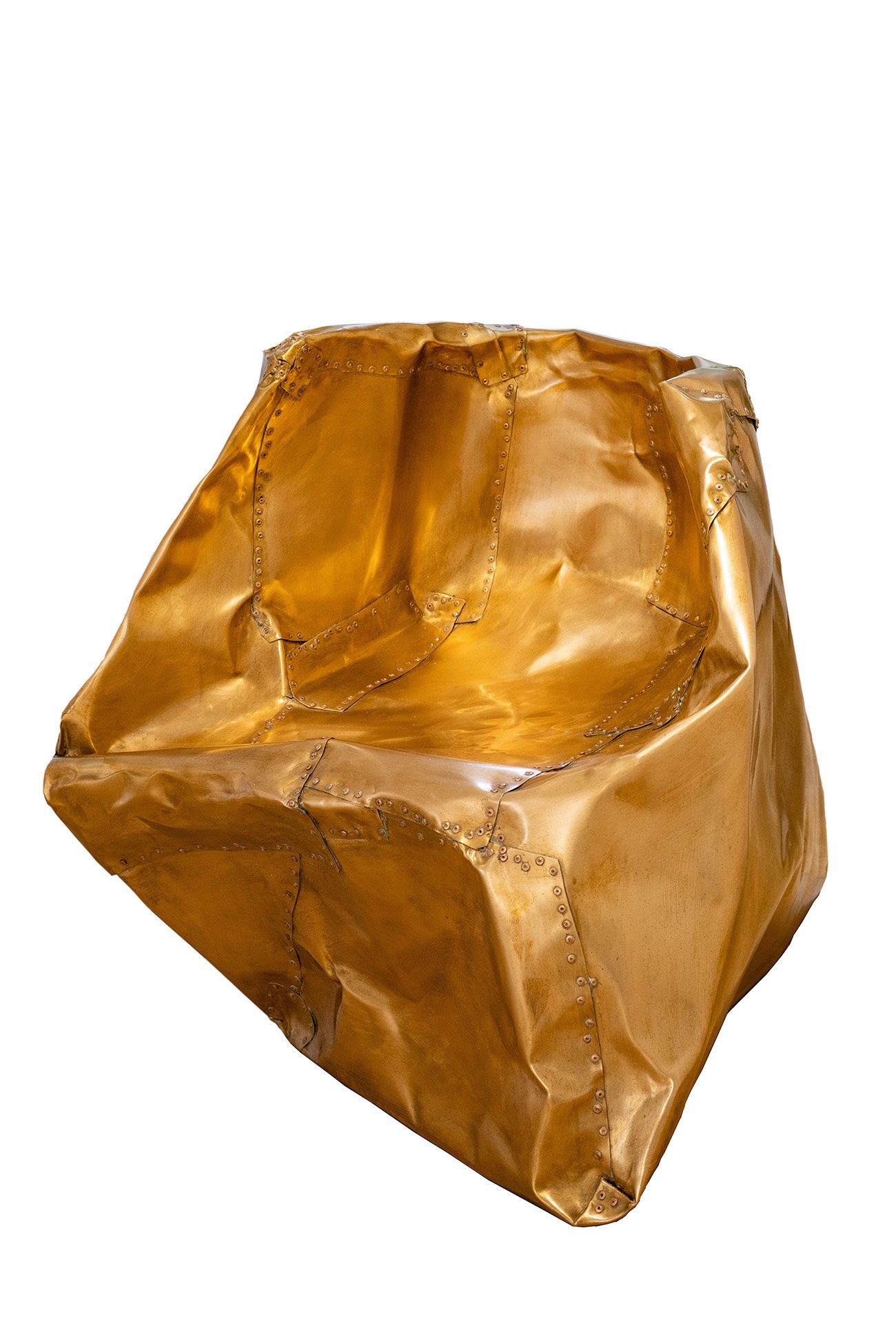
Acclaimed for transforming common materials like aluminum, bronze, and steel into artistic experiences, he highlights the material’s central role with shapes that are naïve, primitive, familiar, and timeless. Shlomo’s installations and works stretch the boundaries between art and function, between two-dimensional drawing and three-dimensional sculpture, and between words, ideas, and material. He works with copper alloy, steel, stainless steel, and aluminum to etch and give form to the material, not just shaping it but binding his inner thoughts into the work itself for eternity. His use of brass and iron wire creates a three-dimensional drawing in which the wire, instead of a pencil, draws a continuous line. His final work offers minimal weight, complete transparency, and, through its play of light, endless new dimensions to life.
Opere
Mostre

Press